
Vein Disease Treatment in San Antonio — Symptoms, Causes, and What to Do Next
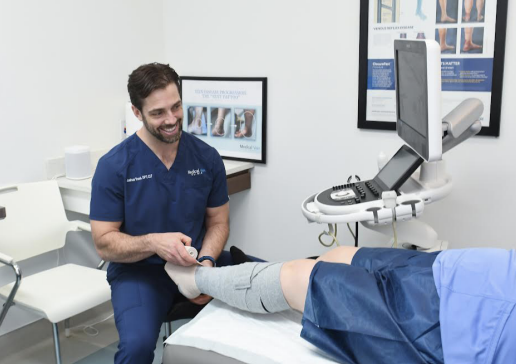
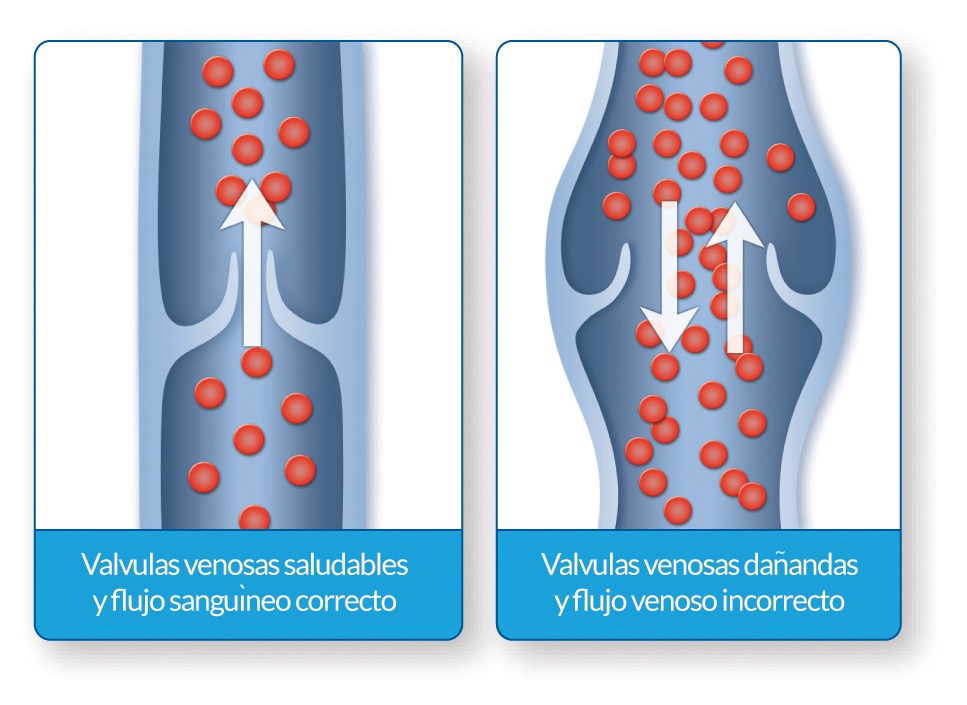
Vein disease is a progressive condition where damaged vein valves prevent blood from flowing properly back to the heart. It causes varicose veins, spider veins, leg swelling, pain, skin discoloration, and in severe cases, blood clots and leg ulcers. Medical Vein Clinic treats vein disease at two San Antonio locations: Stone Oak and Northwest San Antonio. Our board-certified vein specialists diagnose vein disease using diagnostic ultrasound and treat it with minimally invasive outpatient procedures covered by most insurance plans. Common conditions we treat include venous insufficiency, varicose veins, spider veins, deep vein thrombosis, and Rust Tattoo skin changes. Vein disease affects millions of Americans and gets worse without treatment. If your legs ache, swell, itch, or feel heavy, those are not normal signs of aging. They are signs of vein disease that can be treated.
Varicose Veins
Left untreated, varicose veins can lead to dangerous blood clots or deep vein thrombosis.
Spider Veins
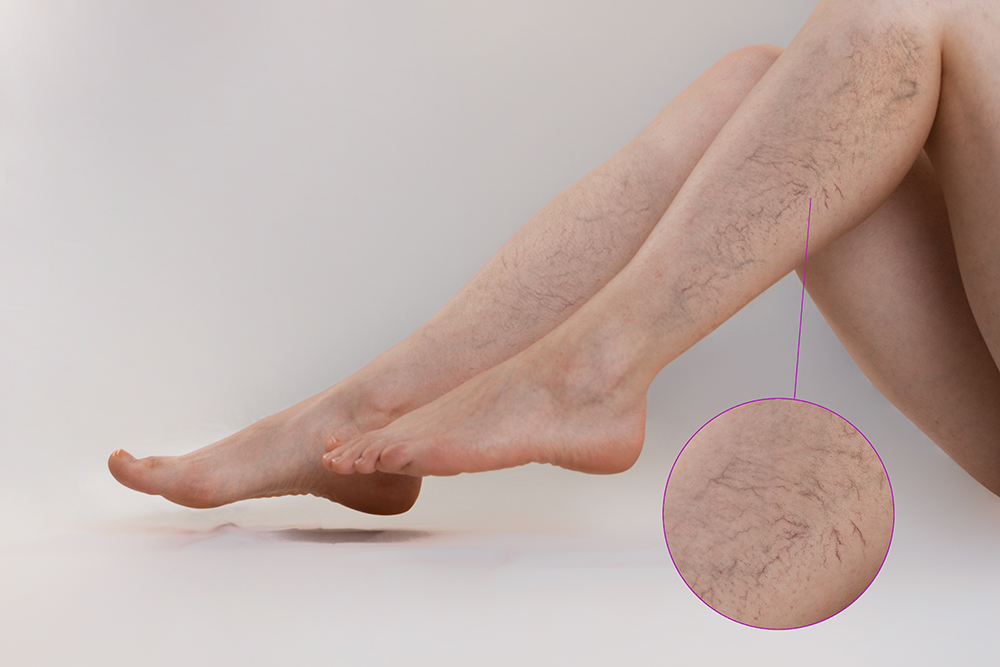
Spider veins can cause legs to itch or burn, and may be a sign of bigger vein issues.
Deep Vein Thrombosis
Clots can easily break off and travel to other organs and cause strokes.
Rust Tattoo
A vein disease that can lead to irreversible skin changes and discoloration.
Is Your Leg Pain Vein Disease or Normal Aging? Here's How to Tell
Vein disease usually progresses slowly, over time. People typically experience signs or symptoms of varicose veins, but think their tired, achy legs or restless legs are just a normal part of aging.
But it’s often not. These could be signals that other things are amiss in the legs, like venous insufficiency and varicose veins. Left untreated, varicose veins can lead to dangerous blood clots or deep vein thrombosis. In fact, people with varicose veins have 5X the risk of developing these life-threatening blood clots.
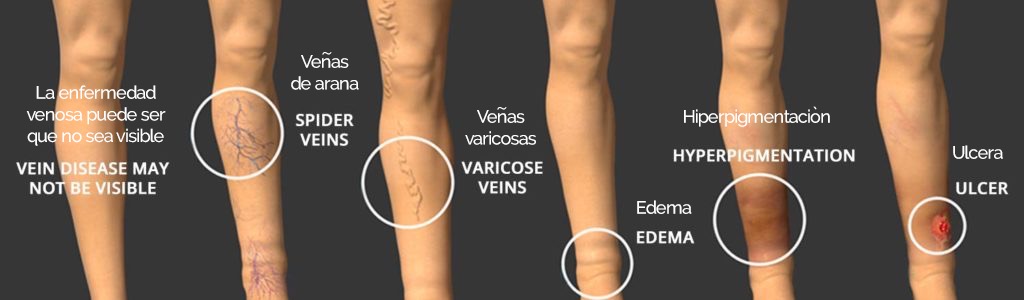
Do you have any of these signs or symptoms? If so, you may have venous insufficiency and varicose veins.
Leg Itching
Aching/pain/throbbing of legs
Heaviness
Fatigue/tiredness of legs
Ankle/leg swelling
Burning or itching of the skin
Aching/cramping, especially at night
Restless leg
Skin changes/discoloration
Ulcers of the legs
Risk Factors That Increase Your Chance of Vein Disease
Vein disease is hereditary and often runs in families, and as you age, chances of varicose veins increases. There are other factors that put people at a higher risk for developing them.
Without treatment, vein disease will progress and limit your health and activity. Medical Vein Clinic offers free leg vein health screenings, and minimally-invasive outpatient treatments---covered by insurance---that will have you enjoying life again.
These are the most common signs of vein disease. If you have one or more of these, a diagnostic ultrasound can confirm whether vein disease is the cause.
Common Symptoms of Vein Disease
Pregnancy
Standing or sitting for long periods of time
Trauma to the legs
Diabetes
Obesity
How Medical Vein Clinic Treats Vein Disease
Learn more about how we treat vein disease.
Venous Insufficiency and Varicose Veins: Causes, Symptoms, and Treatment
Venous insufficiency occurs when vein valves in veins break and cannot pump blood back to the heart for. As a result, blood pools in these broken veins causing swelling, heaviness and burning in the lower legs. This often leads to bulging varicose veins and spider veins. Over time the area around the varicose vein may take on a rust color and skin ulcers can occur.
Learn about our non-surgical, outpatient treatments for varicose veins.
Spider Veins: What They Are and How We Treat Them
Spider veins get their name from what looks like a web of red or blue veins on your legs. Like varicose veins, they’re dilated blood vessels, but smaller and closer to the skin’s surface. While rarely serious, they can cause legs to itch or burn, and may be a sign of bigger vein issues. Spider veins are often caused by pregnancy, obesity, a leg injury or changes in hormone levels.
At Medical Vein Clinic, we treat them with a procedure called sclerotherapy. A long word, but this treatment takes only 15 minutes or less. We inject the spider veins with a chemical solution that causes them to contract. The veins are reabsorbed and eventually disappear, leaving you with healthier looking legs. This procedure takes less than 15 minutes.
Learn more about our spider vein sclerotherapy treatments.
Deep Vein Thrombosis (DVT): Warning Signs and When to Act
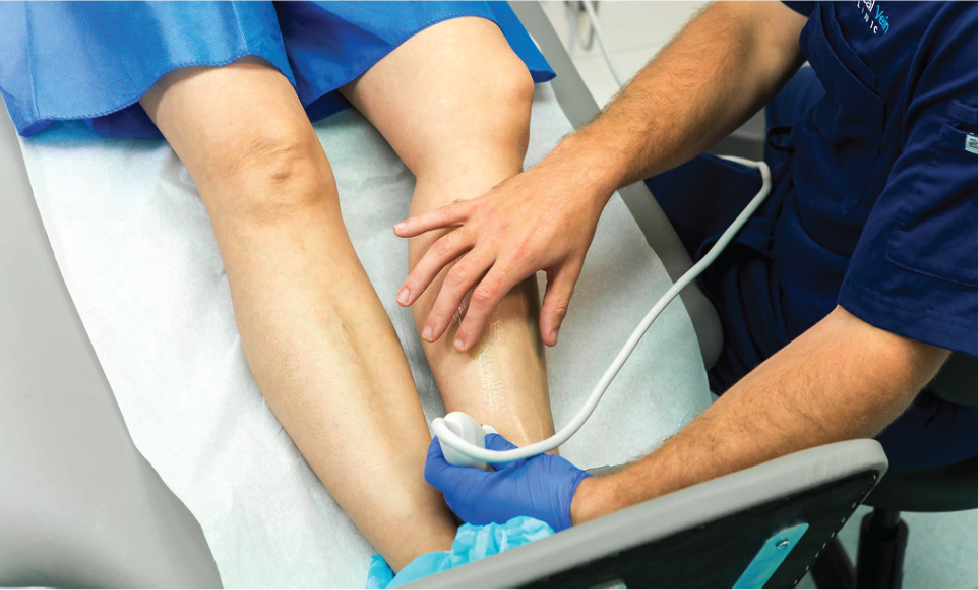
Did you know people with varicose veins are five times more likely to develop deep vein thrombosis or blood clots in the legs? DVTs are serious because clots can easily break off and travel to other organs and cause strokes and pulmonary embolisms.
We screen every Medical Vein Clinic patient for DVTs using sophisticated ultrasound technology, and unfortunately, with COVID-19, we see DVTs much more frequently at the clinic. Most common causes are leg injuries, sitting or laying for long periods of time and dehydration. Signs of DVTs are pain and swelling---particularly in one leg and not the other--and what feels like a hard rope inside your leg. If you have those symptoms and experience dizziness or shortness of breath, get to your doctor or ER immediately.
Learn more about our deep vein thrombosis treatments.
TIP
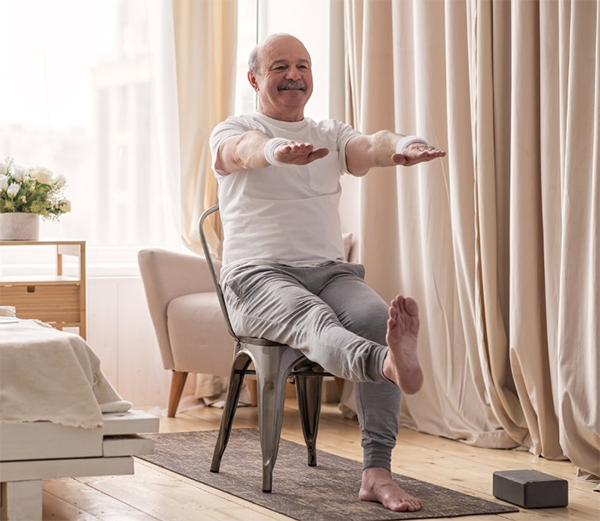
Why Movement Matters When You Have DVT
If you have been diagnosed with deep vein thrombosis, regular movement helps improve circulation and reduces the risk of complications. Walking, swimming, and low-impact activities support blood flow back to the heart and help manage venous insufficiency. Studies show that physical activity reduces DVT symptoms including swelling, discomfort, and fatigue. Talk to your physician before starting any new exercise routine.
Rust Tattoo: What Skin Discoloration on Your Legs Means
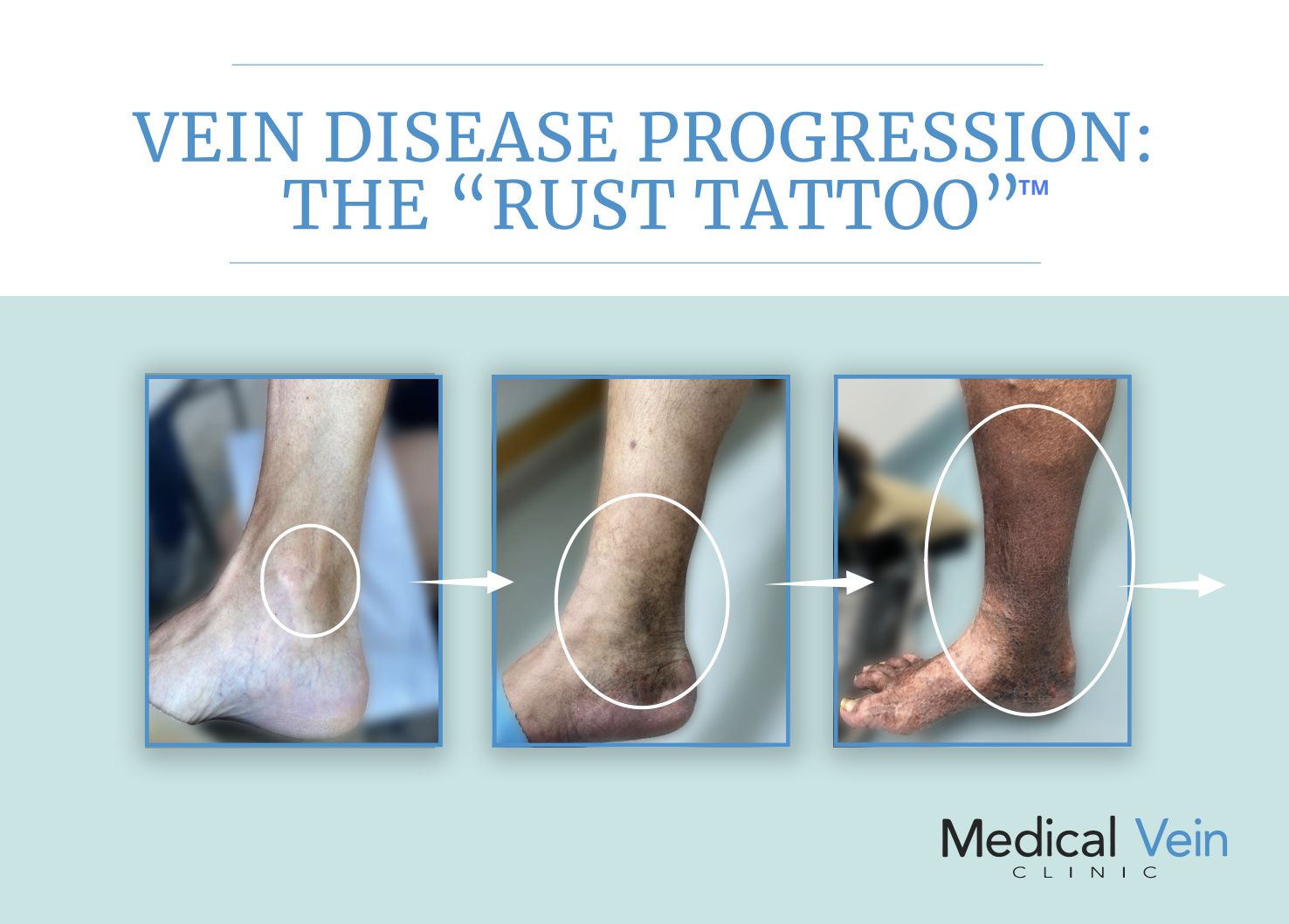
Rust Tattoo is a term coined by Medical Vein Clinic to describe the brown skin discoloration caused by advancing vein disease.
Have you ever looked at the inside of your ankle or lower leg and noticed brown discoloration, shadowing, or staining? This may be a sign of advancing vein disease, which, if left untreated, can lead to irreversible skin changes and discoloration. The professionals at Medical Vein Clinic refer to this as the Rust Tattoo™. The ‘rust’ color is iron staining from the red blood cells that die due to vein dysfunction, and the ‘tattoo’ is the relatively permanent skin change.
Vein disease is a persistent and progressive condition that can be prevented with early evaluation and intervention. Otherwise, vein disease can limit blood circulation and oxygenation in the legs, which can result in limited mobility and serious chronic problems.
Does Insurance Cover Vein Disease Treatment?
Most insurance plans cover treatment for vein disease when symptoms are medically documented. This includes diagnostic ultrasound, treatment for venous insufficiency, varicose veins, and DVT. Medical Vein Clinic verifies your insurance coverage before your appointment. Call us or request a consultation to confirm your benefits.
Vein Disease Treatment Locations in San Antonio
At Medical Vein Clinic, Healthy Legs Take You Further™
Book Your Appointment Today
210-622-8000
Covered by Medical Insurance. Se Habla Español.
Medical Vein Clinic has two San Antonio locations:
Stone Oak at 18831 Meisner Drive, San Antonio, TX 78258 and Alamo Ranch Northwest San Antonio at 5742 W. Loop 1604 N., San Antonio, TX 78251.

Love your legs again™
Covered by Medical Insurance
Se Habla Español
Our Offices
Stone Oak
18831 Meisner Drive
San Antonio, Texas 78258
Alamo Ranch
5742 W. Loop 1604 N.
San Antonio, TX 78251
Call Us
Email Us
Office Hours
Monday - Thursday
8 am to 5 pm
Friday 8 am to 12 pm
Friday
8 am to 12 pm