
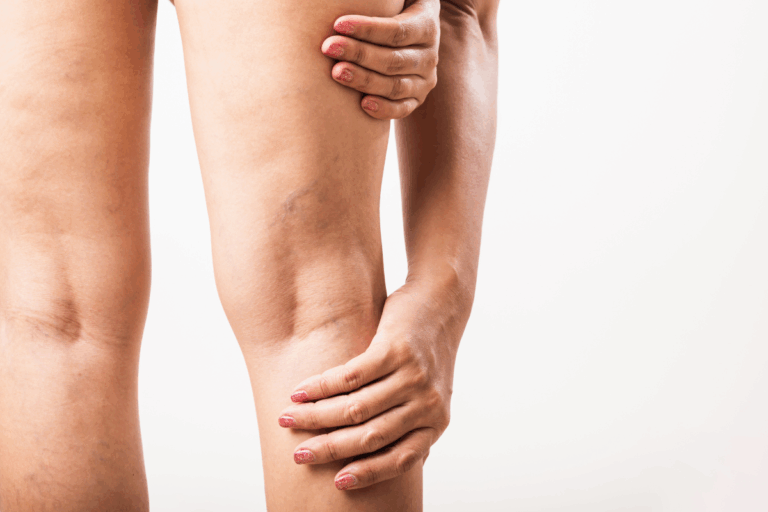
The 5 P’s of peripheral artery disease are Pain, Pallor, Paresthesia, Pulselessness, and Paralysis. These are the five warning signs that blood flow to your legs is critically reduced. You do not need all five symptoms to have PAD — even one or two is enough to warrant evaluation by a vascular specialist. PAD affects 8 to 10 million Americans and often goes undiagnosed because symptoms are mistaken for normal aging. When caught early, PAD is highly treatable. When ignored, it can progress to acute limb ischemia — a sudden, complete loss of blood flow that is a medical emergency requiring immediate care. Dr. John Hogg, board-certified vascular specialist and founder of Medical Vein Clinic in San Antonio, explains each of the 5 P’s and what they mean for your circulation.
One of the most important parts of my job is helping patients recognize the warning signs of vascular disease early, before it becomes something serious.
Peripheral artery disease, or PAD, is a common condition that limits blood flow to the legs. It often develops slowly, so many people mistake the symptoms for “just getting older.” But when circulation gets too low, it can lead to a dangerous condition called acute limb ischemia, a sudden loss of blood flow that requires immediate medical care.
To make it easy to remember the warning signs, we often talk about what’s known as the “5 P’s.” You don’t need to have all 5 of these symptoms to have PAD. Just one or two is a good indicator to get checked out by a board-certified arterial specialist, like Dr. Gianis at Medical Vein Clinic.
The 5 P’s Explained
Pain — Leg Pain at Rest as a Warning Sign of PAD
If your legs ache even when you’re resting, don’t brush it off. Pain that sticks around, even when you sit or lie down, can mean your blood isn’t flowing the way it should.
Pallor — Pale or Discolored Legs and What It Signals
If one leg or foot looks pale, gray, or washed out compared to the other, it can be a sign that blood isn’t reaching the tissue properly.
Paresthesia — Tingling and Numbness in the Legs from Poor Circulation
This one can feel like tingling, numbness, or “pins and needles.” It happens when your nerves aren’t getting enough oxygen-rich blood.
Pulselessness — When the Pulse in Your Foot Is Faint or Missing
In more severe cases, the pulse in your foot or ankle might be faint or missing altogether because circulation is weak.
Paralysis — When Leg Weakness Becomes a Medical Emergency
If your leg suddenly feels weak or you can’t move it, that’s a medical emergency. It means blood flow has dropped off sharply, and you need immediate care.
The 5 P’s – Pain, Pallor, Paresthesia, Pulselessness, and Paralysis – are your body’s way of sounding the alarm for poor circulation. — Dr. John Hogg, MD, Medical Vein Clinic
When It’s an Emergency
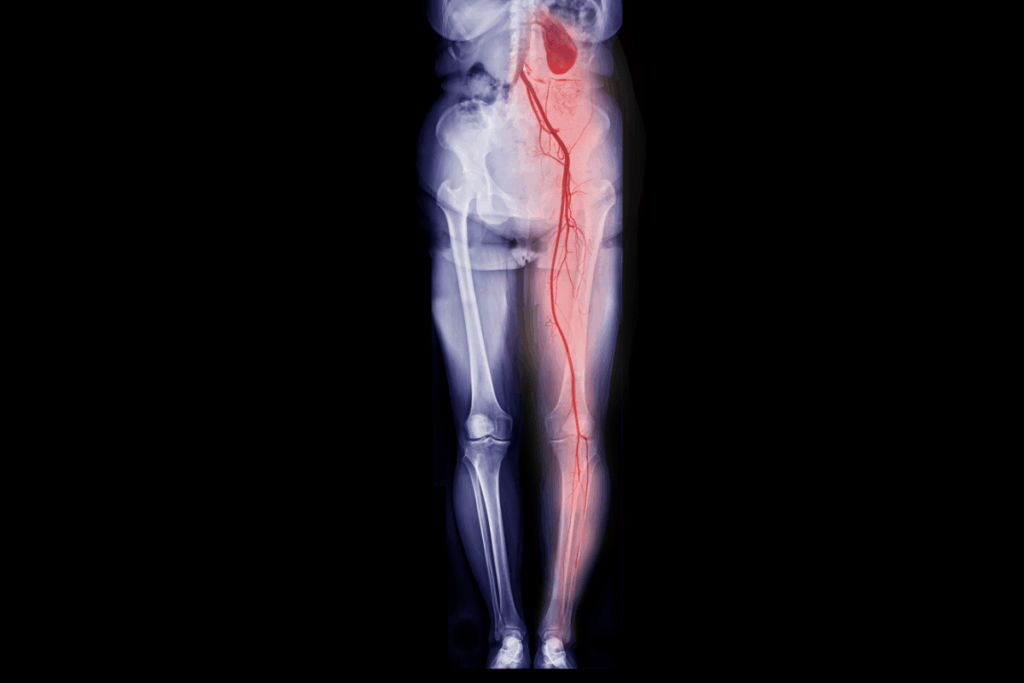
PAD usually develops over time, but if these symptoms appear suddenly, it could be acute limb ischemia, a serious, time-sensitive emergency. Don’t wait it out. Get checked right away.
Other Warning Signs
Not everyone will have all five symptoms. Some people notice smaller changes, like:
Other Early Warning Signs of PAD to Watch For
- Coldness in one leg or foot
- Slower toenail or hair growth
- Wounds or sores on the feet that take forever to heal
These might not seem urgent, but they’re early signs that your circulation needs attention.
A pale, cold, or numb leg isn’t just uncomfortable – it could mean your tissues aren’t getting the blood flow they need.
Why It Matters
PAD doesn’t just affect your legs. It affects your independence, your comfort, and your long-term health. The sooner we catch it, the easier it is to treat. With proper diagnosis and care, most people can restore healthy blood flow, stay active, and avoid serious complications.
At Medical Vein Clinic, our team focuses on early detection and treatment to keep you moving and living well
Healthy circulation is the foundation of mobility, healing, and longevity.
The Bottom Line
If you notice any of the 5 P’s – Pain, Pallor, Paresthesia, Pulselessness, or Paralysis – don’t ignore them. These are your body’s warning signs that something isn’t right. Listen early, act quickly, and you can protect your health for the long run.
Frequently Asked Questions
What are the 5 P’s of peripheral artery disease?
The 5 P’s are Pain, Pallor, Paresthesia, Pulselessness, and Paralysis. They are a simple way to remember the warning signs of poor circulation in the legs. Pain that lingers even at rest, a pale or washed-out leg, tingling or numbness, a faint or missing pulse in the foot, and sudden weakness or inability to move the leg are all signals that blood may not be flowing the way it should.
No. Not everyone with PAD has all five symptoms, and many people notice smaller changes first. Early signs can include coldness in one foot, slower toenail or hair growth, and wounds or sores that take a long time to heal. Even one of these is reason enough to get your circulation checked.
PAD usually develops slowly over time as arteries narrow. Acute limb ischemia is a sudden, severe loss of blood flow to the leg, and it is a medical emergency. If the 5 P’s appear suddenly rather than gradually, especially pulselessness or paralysis, get medical care right away, as immediate treatment is needed to save the limb.
Paresthesia feels like tingling, numbness, or a “pins and needles” sensation. It happens when your nerves are not getting enough oxygen-rich blood. In the context of PAD, it is one of the body’s early warning signs that circulation to the leg is reduced.
Many cases are managed without open surgery. Treatment often begins with lifestyle changes and medication, and when a procedure is needed, minimally invasive options like angioplasty and stenting can open the blocked artery without major surgery. The earlier PAD is caught, the more treatment options you have and the easier it is to manage.
We diagnose PAD using non-invasive testing, including the ankle-brachial index, which compares blood pressure in your ankle and arm, and arterial ultrasound to check blood flow. These tests are painless and can usually be completed in a single visit. PAD care at Medical Vein Clinic is led by board-certified vascular surgeon Dr. Thomas Gianis.
No. PAD is a long-developing narrowing of the arteries that reduces blood flow to the legs over time. A blood clot, such as deep vein thrombosis, is a separate problem that blocks a vein, usually causing sudden swelling, pain, warmth, and redness in one leg. Both affect circulation and both need medical attention, but they are different conditions with different treatments.
Yes. Most insurance plans, including Medicare and Medicaid, cover diagnostic testing and treatment for PAD when it is medically necessary. We verify your coverage before your visit so you know your benefits ahead of time. Call 210-622-8000 to confirm your coverage.
If you are experiencing any of the 5 P’s or other warning signs of poor circulation, do not wait. Call Medical Vein Clinic at 210-622-8000 or book online. We have two San Antonio locations: Stone Oak at 18831 Meisner Drive and Northwest San Antonio at 5742 W. Loop 1604 N.
About Medical Vein Clinic
Medical Vein Clinic in San Antonio specializes in venous, arterial, and lymphatic disorders and is proud to be affiliated with the National Lymphedema Network. Dr. John Hogg, MD, DABR, DABVLM, RPVI, RPhS, RVT, RVS, is a board-certified radiologist specializing in Vascular & Interventional Radiology and the CEO/Founder of Medical Vein Clinic. With more than 30 years of experience, He leads a team of board-certified vascular specialists providing advanced, minimally invasive care for patients living with peripheral artery disease, vein disease, and lymphatic conditions. To learn more, visit www.medicalveinclinic.com or call 210-622-8000 to set up an evaluation.
Healthy Legs Take Your Further.