
By Dr. John Hogg, MD, DABR, DABVLM — Founder and Board-Certified Vascular Specialist, Medical Vein Clinic San Antonio | Published July 11, 2025
What Is Venous Insufficiency?
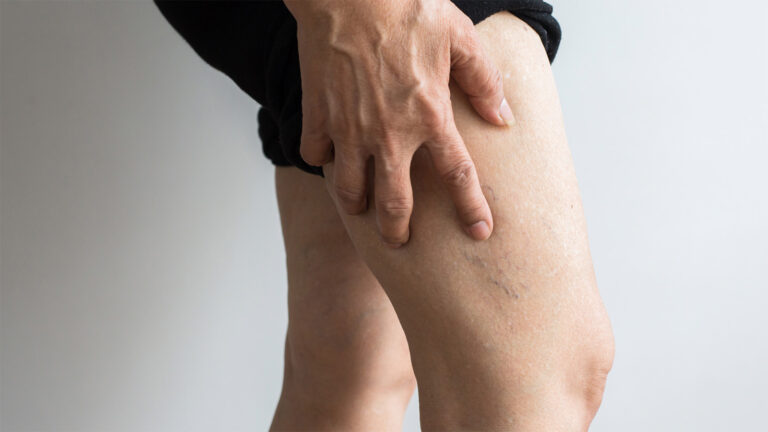
Venous insufficiency occurs when the one-way valves inside leg veins weaken or fail, preventing blood from flowing efficiently back to the heart. Blood pools in the lower legs instead, causing swelling, pressure, pain, and progressive damage to the veins and surrounding tissue. An estimated 40% of Americans have some form of venous insufficiency. Many do not know it because symptoms develop gradually and are frequently dismissed as normal aging. Venous insufficiency is a progressive condition — without treatment, it worsens over time. It is also the leading cause of varicose veins, spider veins, leg ulcers, and lower leg lymphedema.
Common Symptoms of Venous Insufficiency
When patients visit Medical Vein Clinic™ in San Antonio, many are surprised to learn that the symptoms they’ve been struggling with for years are actually signs of venous insufficiency, commonly known as varicose veins.
These symptoms typically worsen throughout the day as gravity causes blood to pool in the lower legs. They often improve after lying down or elevating your legs.
Symptoms of vein disease often develop gradually. You might experience:
- Itching or burning in your legs
- Heaviness or aching
- Swollen legs at day’s end
- Restless legs at night
- Tired, fatigued legs
Not all venous insufficiency causes visible varicose veins. Many patients have significant vein valve failure with no visible symptoms at all — only the aching, swelling, and fatigue they have been living with for years.
Many people assume these symptoms are simply part of aging. But in reality, they are often indicators of vein disease. The good news: today, varicose veins can be treated with minimally invasive outpatient procedures. Using advanced catheter technology, these treatments typically take less than an hour. Most patients walk in and walk out the same day, much like a routine eye exam. These procedures are typically covered by insurance.
What Causes Venous Insufficiency?
Venous insufficiency develops when vein valves weaken with age, after pregnancy, due to prolonged sitting or standing, or because of hereditary predisposition.
Here are the most common risk factors:
- Family history of vein disease
- Pregnancy — each pregnancy increases venous pressure
- Jobs that require prolonged standing or sitting
- Obesity — increases pressure on leg veins
- Age — valve function naturally declines over time
- Previous blood clots — DVT can damage valves permanently
- Female sex — hormonal factors make women more susceptible
How Medical Vein Clinic Diagnoses Venous Insufficiency in San Antonio
Diagnosis begins with a duplex ultrasound — a specialized study performed while you stand upright to allow gravity to reveal how blood is truly flowing through your veins. This non-invasive test takes approximately 30 minutes and maps the venous system to identify areas of valve failure, reflux, and pooling. Most insurance plans cover diagnostic ultrasound for venous insufficiency when symptoms are present. No preparation is needed and there is no downtime.
How Medical Vein Clinic Treats Venous Insufficiency
Treatment depends on the severity of the condition and the specific veins affected. At Medical Vein Clinic, we begin with conservative measures and progress to minimally invasive procedures when needed.
Conservative treatment includes medical-grade compression stockings, leg elevation, and lifestyle modifications that reduce pooling. These measures manage symptoms but do not correct valve dysfunction.
When intervention is needed, we use minimally invasive outpatient procedures:
Radiofrequency Ablation (RFA): A thin catheter is guided into the affected vein using ultrasound imaging. Controlled heat is applied, sealing the vein shut. Blood is rerouted to healthy veins. The procedure takes 30 to 45 minutes with local anesthetic and requires no general anesthesia.
Varithena: An FDA-approved injectable foam that collapses and closes varicose veins from the inside. Particularly effective for treating visible varicose veins and their tributaries.
Sclerotherapy: A solution is injected into spider veins and small varicose veins, causing them to collapse and fade. Most effective for cosmetic spider vein treatment.
All procedures are performed in our San Antonio clinic. Most patients walk in and walk out the same day. There is no hospital stay. Most insurance plans cover treatment when venous insufficiency is medically documented.
Your Venous Insufficiency Specialist in San Antonio
Since opening our San Antonio clinic in 2017, our mission has been clear: help people with vein disease lead full, active, and productive lives. We make it easy for you to receive expert care with two convenient locations in San Antonio. Both clinics are designed with our patients’ comfort in mind, offering a warm, spa-like setting that helps you feel at ease from the moment you walk in. At both of our locations, patients are cared for by some of the most experienced vein, arterial, and lymphatic specialists in the country. Using advanced technology and proven treatments, we help you reduce leg pain and improve mobility.
Dr. John Hogg, MD, DABR, DABVLM, is a board-certified radiologist specializing in vascular and interventional radiology. With more than 30 years of clinical experience, he founded Medical Vein Clinic in 2017 and has treated thousands of San Antonio patients for venous insufficiency, varicose veins, and related conditions. He holds registered certifications in vascular sonography, phlebology, and vascular interpretation — among the most extensive vascular credentials held by any physician in Texas. At Medical Vein Clinic, patients are also cared for by a team of board-certified vein specialists, surgeons, and lymphedema therapists at two San Antonio locations.
Research studies show that when you have strong legs, with good circulation, you live a longer, fuller life. If you or someone you know is experiencing leg discomfort, don’t dismiss it as “just getting older.” Venous insufficiency is highly treatable, and taking action now can significantly improve your quality of life. Our entire staff looks forward to providing you with the highest level of care.
Healthy Legs Take You Further™.
If you’re experiencing leg swelling, aching, or visible veins, don’t wait for the problem to get worse. Schedule your consultation with Medical Vein Clinic today and take the first step toward better health.
Call Medical Vein Clinic at 210-622-8000 or book your venous insufficiency evaluation online at medicalveinclinic.com/book-an-appointment. We have two San Antonio locations: Stone Oak at 18831 Meisner Drive and Northwest San Antonio at 5742 W. Loop 1604 N.
Frequently Asked Questions About Venous Insufficiency
What is venous insufficiency and is it serious?
Venous insufficiency is a condition where the one-way valves in your leg veins stop working, so blood leaks backward and pools in the lower legs instead of flowing back to the heart. It is the root cause of most vein disease and should be taken seriously because it is progressive and worsens over time. Left untreated it can lead to skin damage, ulcers, and a higher risk of blood clots, but it responds well to treatment, especially when caught early.
What are the first signs of venous insufficiency?
Early signs include aching or heavy legs, swelling that worsens through the day, itching, and visible varicose veins or spider veins. Many people also notice restless legs, leg fatigue, or cramping, particularly after standing for long periods. These are not normal signs of aging, and a diagnostic ultrasound can confirm whether venous insufficiency is the cause.
Can venous insufficiency be cured?
The damaged valves cannot repair themselves, but the condition is highly treatable. Minimally invasive procedures close the faulty veins and reroute blood to healthy ones, which resolves the symptoms and stops the progression. Most patients get lasting relief, and our approach of treating the source veins first helps prevent the problem from coming back.
How is venous insufficiency different from varicose veins?
Venous insufficiency is the underlying problem, while varicose veins are one of its visible symptoms. When leaky valves let blood pool, the pressure can cause veins to bulge and twist into varicose veins, but you can have venous insufficiency with swelling, aching, and skin changes even without prominent varicose veins. Treating the underlying insufficiency is what addresses the root cause rather than just the appearance.
Does venous insufficiency cause blood clots?
It can raise your risk. People with varicose veins, a common sign of venous insufficiency, have five times the risk of developing deep vein thrombosis (DVT) or dangerous blood clots, according to research published in the Journal of the American Medical Association (February 27, 2018). This is one reason early treatment matters. If you have sudden swelling, pain, warmth, or redness in one leg, seek medical care right away, as those can be signs of a clot.
Is venous insufficiency treatment covered by insurance?
Yes. Most insurance plans, including Medicare, cover treatment for venous insufficiency when your symptoms are medically documented. This includes diagnostic ultrasound and procedures like radiofrequency ablation, Varithena, and VenaSeal. Coverage typically requires a trial of conservative care first, such as three months of compression stockings. We verify your benefits before your appointment, so call 210-622-8000 to confirm your coverage.
How long does venous insufficiency treatment take?
The procedures themselves are quick and done in a single appointment, and you walk out the same day with no surgery and no general anesthesia. We numb the area, treat the problem veins, and most patients return to normal activity right away. Before a procedure, we start with three months of compression therapy to confirm the diagnosis, and afterward you wear compression stockings for about three weeks.
What happens if venous insufficiency goes untreated?
It gets worse over time. One study found that 25% of patients progress within six months without treatment. Untreated venous insufficiency can lead to more varicose veins, permanent brown skin discoloration on the lower legs (Rust Tattoo™), skin scarring, open wound ulcerations, serious infections, and a higher risk of blood clots. Symptoms like aching, swelling, heaviness, and restless legs also intensify over time. Early treatment prevents these outcomes.