

By Dr. John Hogg, MD, DABR, DABVLM — Founder and Board-Certified Vascular Specialist, Medical Vein Clinic San Antonio | Published October 29, 2025
Featuring Dr. Joshua Trock, DPT, RVT, CLT-LANA — Lymphedema Specialist, Medical Vein Clinic San Antonio
Does Breast Cancer Treatment Cause Lymphedema?
Yes. Breast cancer surgery, particularly lymph node removal, and radiation therapy are among the leading causes of lymphedema in the United States. Approximately 25% of breast cancer surgery patients develop lymphedema. For those who also undergo radiation therapy, the rate rises to 38%. Breast Cancer Related Lymphedema, or BCRL, occurs when cancer treatment disrupts the lymphatic system, causing fluid to accumulate in the arm, hand, or chest. It can appear weeks, months, or even years after treatment ends. Early detection and specialized treatment significantly improve outcomes. Medical Vein Clinic in San Antonio is affiliated with the National Lymphedema Network and offers one of the few comprehensive lymphedema programs in Texas. Dr. Joshua Trock, a LANA-certified lymphedema therapist and registered vascular technologist, leads lymphedema care at the clinic.
A Patient Story: When Lymphedema Appears Years After Treatment
When Rebecca T. completed surgery and radiation treatment for breast cancer, she thought the hard part was behind her. Five years later, she noticed something wasn’t right. Her right arm began to swell, slowly at first, then alarmingly fast. A persistent ache turned into a deep, nagging pain. What followed was an unexpected hospital stay and a diagnosis no one had warned her about: lymphedema.
How Breast Cancer Treatment Disrupts the Lymphatic System
“Lymphedema is one of the most under-recognized complications of cancer therapy,” states Dr. Joshua Trock, DPT, RVT, CLT-LANA — Doctor of Physical Therapy, Registered Vascular Technologist, and LANA-certified lymphedema therapist at Medical Vein Clinic San Antonio. Dr. Trock is one of the few clinicians in the region who combines diagnostic vascular ultrasound with specialized lymphatic therapy. “It’s especially common among breast cancer survivors, particularly those who’ve had lymph nodes removed or treated with radiation.”
Lymphedema develops when the body’s natural waste disposal network, the lymphatic system, breaks down. Cancer treatments such as lymph node removal and radiation can hinder lymphatic flow, allowing fluid to accumulate and cause swelling. This often starts subtly: a sense of heaviness in the limb, a sleeve that suddenly fits tighter, or a wristwatch that feels snug.
Over time, the swelling may become more visible and persistent. Without treatment, the affected area becomes increasingly vulnerable to infections, which can escalate quickly and require hospitalization. In some cases, something as minor as a bug bite, small cut, or even dental work can trigger a full-blown infection if the immune defenses are compromised.
Breast Cancer Related Lymphedema (BCRL): How Common Is It and How Long Does It Last?
Lymphedema affects at least three million Americans. The highest incidence is observed following breast cancer surgery, particularly among those patients who undergo radiation therapy following the removal of axillary lymph nodes. Many of these individuals will develop Breast Cancer Related Lymphedema (BCRL).
BCRL is one of the most concerning and prevalent secondary complications of breast cancer treatments. “Research indicates that approximately 25% of patients develop lymphedema after breast cancer surgery. But for those who also undergo radiation therapy, the development of lymphedema increases to 38%,” according to the American Physical Therapy Association’s “Physical Therapy Journal.” These numbers mean that in the United States alone, hundreds of thousands of breast cancer survivors are living with lymphedema that could have been identified and managed earlier.
Lymphedema doesn’t always appear immediately. It can show up weeks, months, or even decades after cancer treatment. Studies estimate that up to 1 in 5 breast cancer survivors develop some form of lymphedema, often exacerbated by inflammation, weight gain, or lack of movement.
Unfortunately, the condition is often overlooked or misdiagnosed, even by well-meaning healthcare professionals. Many patients are told they’re simply “retaining water” or experiencing normal post-treatment discomfort, when in fact they are showing early signs of a progressive condition.
If left unmanaged, it can be a lifelong condition. But, caught early and treated appropriately, patients can regain comfort, reduce swelling, and avoid more serious complications.
Spotting the Early Signs
Even without swelling, contact your doctor if you experience tingling or unusual sensations in your arm after surgery. If you’re uncomfortable, request a referral to a lymphedema management specialist. Lymphedema usually begins with these symptoms:
- Tightness or heaviness in the arm or hand
- Swelling that comes and goes
- Achiness, itching, or skin changes
- Reduced flexibility or discomfort in the affected limb
- Infections often present with red, blotchy skin, fever, or chills. If you notice any of these symptoms, don’t wait. Prompt treatment can prevent serious complications.
How to Reduce Your Lymphedema Risk After Breast Cancer Treatment
Patients don’t need to live in fear, but they do need to be cautious. Avoid injury to the affected limb: no aggressive yard work, no deep tissue massages on that arm, and be careful with manicures.
For individuals at risk, proactive skin care and injury prevention are crucial. Simple changes such as wearing gloves while cooking or gardening, using insect repellent, and avoiding tight jewelry can help protect vulnerable areas. Compression sleeves should be considered during air travel or physical activity.
Staying active, under your doctor’s guidance, is crucial for managing swelling. While it may seem counterintuitive, gentle exercise can actually improve fluid circulation and maintain strength and flexibility, whereas avoiding movement might worsen swelling. Keeping the blood flowing and keeping the body moving is usually a good rule of thumb for all things involving the circulatory and lymphatic systems.
Lymphedema Treatment at Medical Vein Clinic
Medical Vein Clinic in San Antonio has one of the few comprehensive lymphedema programs in Texas, recognized by the National Lymphedema
Network. Our multidisciplinary team takes a whole-patient approach to treatment, combining the latest technologies with personalized care.
Treatment plans may include:
Compression Therapy:
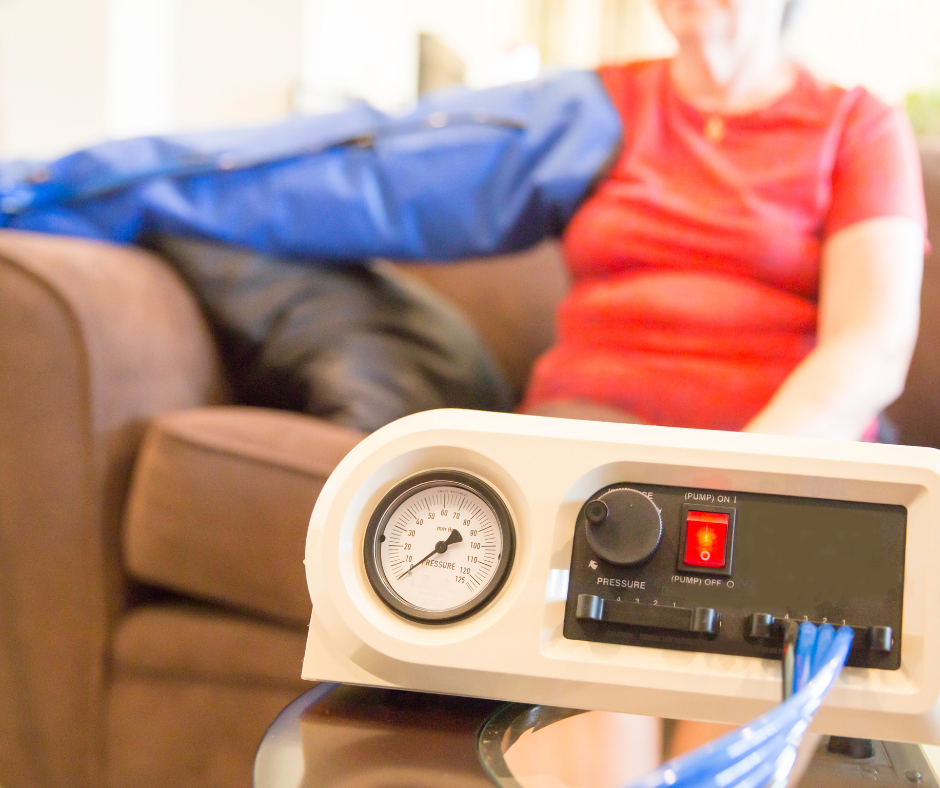
Compression is the primary treatment for lymphedema. Physical therapists use specialized bandages to reduce swelling, followed by custom compression garments to prevent fluid from reaccumulating. Garments are typically worn during activity and travel.
Exercise Coaching:
Gentle, guided movement stimulates lymphatic flow and prevents fluid buildup. Our team develops safe exercise protocols specific to each patient’s condition and fitness level.
Skin Care Education:
Patients with lymphedema are at significantly higher risk of skin infections. We provide preventive care education to protect vulnerable areas and reduce the risk of cellulitis and other complications.
Vein Disease Treatment
The leading cause of lymphedema in the United States is years of untreated vein disease. When underlying vein abnormalities are identified and treated, less fluid leaks into the tissues, directly reducing the burden on the lymphatic system and improving lymphedema outcomes. Dr. Hogg explains it this way: ‘We are the quarterback for our patients’ overall lymphedema care. Once we treat the underlying vein disease, less fluid leaks out, which directly reduces the excessive fluid that drives lymphedema. Less fuel, less fire.
Most insurance plans, including Medicare, cover medically necessary lymphedema treatment when properly documented. Medical Vein Clinic verifies your insurance before your appointment.
Awareness Makes the Difference
Many breast cancer survivors never receive adequate education about lymphedema. Awareness is the most important step in preventing long-term complications. Any patient who has had lymph nodes removed or radiated should consider an evaluation with a certified lymphedema therapist, even if no symptoms are present.
Lymphedema may not make headlines, but it affects quality of life in very real ways. With early detection, expert care, and a proactive plan, patients can manage it effectively and keep moving forward with confidence.
About Medical Vein Clinic
If you are a breast cancer survivor experiencing arm swelling, heaviness, or tightness, do not wait for symptoms to worsen. Call Medical Vein Clinic at 210-622-8000 or book your lymphedema evaluation online at medicalveinclinic.com/book-an-appointment. We have two San Antonio locations: Stone Oak at 18831 Meisner Drive and Northwest San Antonio at 5742 W. Loop 1604 N.
Frequently Asked Questions About Breast Cancer and Lymphedema
What is breast cancer-related lymphedema?
It’s swelling, usually in the arm, that develops when cancer treatment disrupts the lymphatic system. Lymph node removal and radiation can block lymphatic flow, causing fluid to build up.
How common is lymphedema after breast cancer treatment?
About 25% of patients develop it after breast cancer surgery, rising to 38% for those who also have radiation. Up to 1 in 5 survivors develop some form of it.
When does lymphedema appear after treatment?
It can show up weeks, months, or even decades later. It often starts subtly, with heaviness in the limb or a sleeve that suddenly feels tight.
What are the early signs to watch for?
Tightness or heaviness in the arm or hand, swelling that comes and goes, achiness, itching, skin changes, or reduced flexibility. Red blotchy skin, fever, or chills can signal infection and need prompt care.
Can lymphedema be cured?
There’s no cure, but it’s very manageable when caught early. Treatment reduces swelling, prevents infection, and protects your mobility.
How is lymphedema treated at Medical Vein Clinic?
Our program includes compression therapy, exercise coaching, and skin care education, led by lymphedema specialist Dr. Joshua Trock. We also check the underlying veins, since untreated vein disease is the number one cause of lymphedema in this country.
Should I get evaluated if I have no symptoms yet?
Yes. Anyone who has had lymph nodes removed or radiated should consider an evaluation with a certified lymphedema therapist, even without symptoms. Early detection prevents serious complications.