

By Dr. John Hogg, MD — Board-Certified Radiologist, Vascular Specialist, and Founder of Medical Vein Clinic San Antonio | Published March 25, 2026
Bone loss and vein disease are more closely connected than most people realize, and the link is estrogen. When estrogen drops during perimenopause and menopause, it weakens both bone density and vein wall function at the same time. Women with significant bone loss have a 43% higher risk of developing a dangerous blood clot compared to women with normal bone density, according to published vascular medicine research. Reduced movement due to bone pain slows circulation, further increasing clot risk. Hormone therapy form also matters: oral estrogen raises clotting risk, while estrogen delivered through the skin does not carry that same risk. If your doctor has mentioned declining bone density, your veins need evaluation too. Dr. John Hogg, founder and board-certified vascular specialist at Medical Vein Clinic in San Antonio, explains the science behind this connection and what women should do about it.
A visit to our clinic often starts the same way.
A woman comes in with leg discomfort. They feel tired and heavy by the end of the day and are a bit swollen. She mentions her primary care doctor recently told her that her bone density isn’t where it should be. She’s been taking calcium and trying to walk more. When I share how closely bone and vein health are connected, my patients are surprised, as it’s just not talked about much.
How Estrogen Affects Both Bone Density and Vein Health
Estrogen does two jobs with bones and veins. It keeps your bones dense and strong. And it keeps your blood vessels flexible, relaxed, and working the way they should.
When estrogen drops during perimenopause and menopause, both systems weaken at the same time. When estrogen levels are low, your body breaks down bone tissue faster than it can replace it. That’s what leads to thinning bones over time.
For your veins, estrogen normally helps reduce inflammation in vessel walls and keeps blood moving efficiently. Without it, blood can slow down and pool in the legs. When that happens, the conditions for a blood clot become much more favorable, and blood clots can form in the deep veins of the leg.
Low bone density and leg vein issues share the same hormonal trigger.

What the Research Shows
The data is clear. Women with significant bone loss have a 43% higher risk of developing a dangerous blood clot compared to women with normal bone density. That holds even after accounting for age, weight, and other health factors.
There’s also something happening at the cellular level that researchers are still studying. The cells responsible for building bone also help regulate how blood vessels function. When bone tissue breaks down, that relationship gets disrupted. Your body doesn’t treat these two systems as separate. Neither should we.
How Bone Pain Leads to Reduced Movement and Higher Clot Risk
Bone loss brings pain. Pain leads to moving less. And moving less is one of the clearest risk factors for a blood clot in the leg. When you’re not active, blood sits in the veins of your calves and thighs instead of circulating back to the heart the way it should.
It’s a cycle, and it tends to get worse quietly.
Not All Hormone Therapy Is the Same
Many women managing bone loss are either on hormone therapy or considering it. That conversation also needs to include vein health.
How estrogen enters your body matters. Oral estrogen pills do raise clotting risk for some women. Estrogen absorbed through the skin via a patch, gel, pellets, or cream doesn’t carry that same risk. When estrogen goes straight into the bloodstream without passing through the liver first, the effect on clotting is meaningfully different.
This doesn’t mean hormone therapy is unsafe or that you should avoid it. It means the conversation with your doctor should cover how you take it, not just whether to take it. If you’re using hormones to support your bones, make sure your vein health is part of that discussion.
What I Tell My Patients
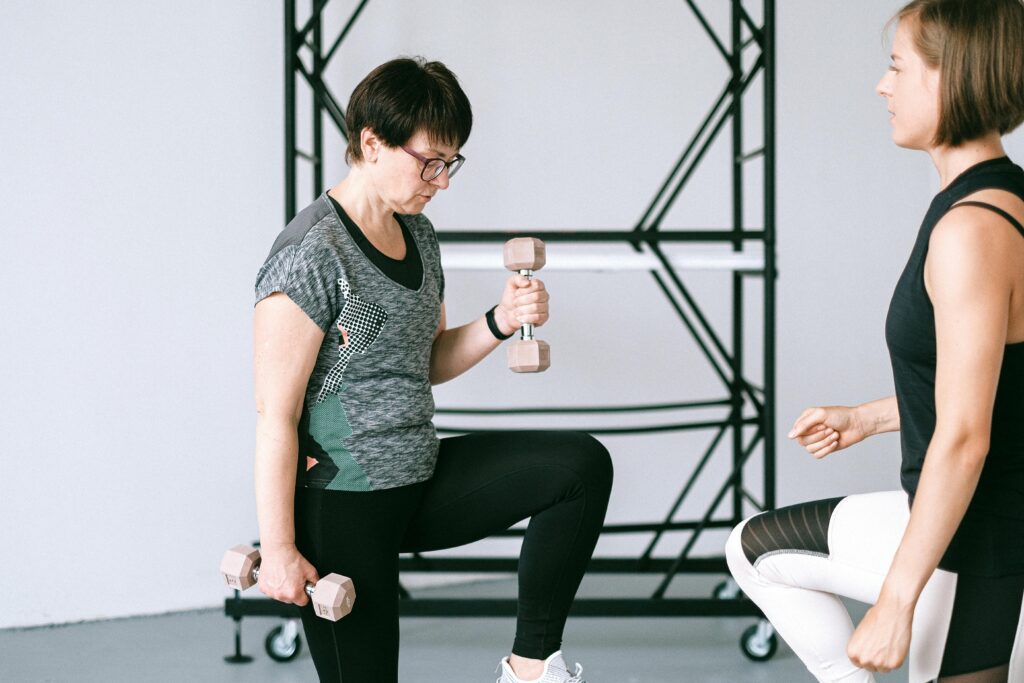
Move regularly. Walking, strength training, and anything weight-bearing build bone density and keep blood circulating through your legs. Thirty minutes most days makes a real difference on both fronts.
Stay hydrated. Dehydration thickens blood, and that matters more than most people realize. If your veins are already showing signs of trouble, compression stockings reduce pooling and take real pressure off an already stressed system.
And don’t ignore one-sided leg swelling, aching, heaviness, or warmth, especially if it’s new or getting worse. Women tend to push through these symptoms. Sometimes that clot moves into the lungs or heart and can be deadly.
Vein Screening for Women with Bone Loss: What to Expect at Medical Vein Clinic
If you’re over 40 and your doctor has mentioned declining bone density, I’d encourage you to get your veins evaluated, too. You may be addressing one problem while the other goes completely unexamined.
At Medical Vein Clinic, we use advanced vascular ultrasound performed by physicians who focus exclusively on venous, arterial, and lymphatic disease. That specialization means we catch problems earlier, when treatment is most effective. A screening is non-invasive and takes less than an hour.
When caught early, vein disease and clotting risk are highly manageable. Awareness changes outcomes. Know what to watch for, ask the right questions, and take leg symptoms seriously.
Leg discomfort is not a normal sign of aging. It’s information. And your legs, veins, and bones will be healthier when you act on that information.
If you are over 40 and have been told your bone density is declining, schedule a vein evaluation at Medical Vein Clinic in San Antonio. Call 210-622-8000 or book online at medicalveinclinic.com/book-an-appointment. Two locations: Stone Oak and Northwest San Antonio.
Frequently Asked Questions
Does osteoporosis increase blood clot risk?
Yes. Women with significant bone loss have a 43% higher risk of developing a dangerous blood clot compared to women with normal bone density, even after accounting for age, weight, and other factors. The two are linked because estrogen supports both bone strength and healthy blood flow, so when it drops, both systems weaken together. Reduced movement from bone-related pain adds to the risk.
What is the connection between menopause and varicose veins?
When estrogen drops during perimenopause and menopause, it stops doing one of its normal jobs: reducing inflammation in vessel walls and keeping blood moving efficiently. Blood can then slow and pool in the legs, creating conditions for varicose veins and clots. The same hormonal shift that thins bone also stresses your veins.
Is hormone therapy safe for women with vein disease?
It depends on how the estrogen is delivered, and that’s a conversation to have with your doctor. Oral estrogen pills can raise clotting risk for some women, while estrogen absorbed through the skin via a patch, gel, pellet, or cream doesn’t carry that same risk because it bypasses the liver. Hormone therapy isn’t off the table for women with vein disease; the method matters as much as the decision to use it.
Can exercise protect both bone density and vein health?
Yes. Walking, strength training, and weight-bearing activity build bone density and keep blood circulating through your legs at the same time. About 30 minutes most days makes a real difference on both fronts. Staying active also breaks the cycle where bone pain leads to less movement, which itself raises clot risk.
What symptoms should women with bone loss watch for in their legs?
Watch for legs that feel tired, heavy, or swollen by the end of the day, and especially one-sided leg swelling, aching, heaviness, or warmth that’s new or worsening. Women tend to push through these, but a clot can move to the lungs or heart and be deadly. Take new leg symptoms seriously rather than treating them as normal aging.
How do I get my veins evaluated in San Antonio?
If you’re over 40 and your doctor has mentioned declining bone density, getting your veins evaluated is a smart step. At Medical Vein Clinic, we use advanced vascular ultrasound performed by physicians who focus exclusively on venous, arterial, and lymphatic disease. The screening is non-invasive and takes less than an hour. Call 210-622-8000 to schedule.
Does insurance cover vein screening for women with bone loss?
Most insurance plans, including Medicare, cover vein evaluation and treatment when it’s medically necessary and your symptoms are documented. We verify your benefits before your appointment so you understand your coverage. Call 210-622-8000 to confirm.
Healthy Legs Take You Further TM
Dr. John Hogg, MD, DABR, DABVLM, RPVI, RPhS, RVT, RVS
Board-certified radiologist specializing in Vascular and Interventional Radiology and CEO/Founder of Medical Vein Clinic. With more than 30 years of experience, Dr. Hogg has established San Antonio’s leading vascular treatment clinic. To learn more, visit medicalveinclinic.com.