
By Dr. John Hogg, MD, DABR, DABVLM — Founder and Board-Certified Vascular Specialist, Medical Vein Clinic San Antonio | Published August 19, 2025 | As seen in SA Woman Magazine
What Is the Difference Between Lipedema and Lymphedema?
Lipedema and lymphedema both cause painful swelling in the legs but are fundamentally different conditions requiring different treatments. Lipedema is an inherited connective tissue disorder affecting fat distribution, almost exclusively in women, causing symmetrical enlargement from the ankles to the hips with the feet remaining normal. Lymphedema is a drainage failure of the lymphatic system, often triggered by surgery, cancer treatment, infection, or years of untreated vein disease. The key diagnostic difference: in lipedema, the feet are typically not affected; in lymphedema, the feet and toes usually swell. Misdiagnosis is common because both conditions cause leg swelling and are frequently dismissed as water retention or obesity. Getting the correct diagnosis is critical because treatments that help one condition may not help the other. Medical Vein Clinic in San Antonio, affiliated with the National Lymphedema Network, specializes in diagnosing and treating both conditions. Dr. Joshua Trock, a LANA-certified lymphedema therapist, leads the clinic’s lymphatic care team. His CLT-LANA certification means he has passed the national board examination for lymphedema therapy — the highest credential a lymphedema therapist can hold in the United States. Dr. Trock is one of the few clinicians in San Antonio combining diagnostic vascular ultrasound with specialized lymphatic therapy.
Picture this: You’ve seen three different doctors about persistent leg swelling, received two different diagnoses, and you’re still struggling with daily discomfort that’s affecting everything from your work wardrobe to your evening walks. Sound familiar?
Why Getting the Right Diagnosis Could Change Everything
At Medical Vein Clinic, this scenario plays out weekly. Patients arrive frustrated, confused, and desperate for clarity after bouncing between healthcare providers who’ve labeled their symptoms as everything from “water retention” to conditions they don’t actually have. The truth? Distinguishing between lipedema and lymphedema requires specialized expertise that many healthcare providers simply haven’t developed.
After treating thousands of San Antonio women with lymphatic and vascular conditions, I’ve seen how misdiagnosis creates a cascade of ineffective treatments, mounting medical bills, and years of unnecessary suffering. The encouraging news? Once you understand what you’re truly dealing with, both conditions are highly manageable with the right approach.
Why Lipedema and Lymphedema Are So Frequently Confused
Both lipedema and lymphedema cause leg swelling that impacts your daily comfort and confidence. Both can make you self-conscious about your appearance and limit your activity choices. However, these conditions have fundamentally different root causes, follow distinct progression patterns, and respond to completely different treatment strategies.
The confusion typically begins when patients consult healthcare providers without specialized training in lymphatic disorders. Many well-meaning doctors haven’t had extensive exposure to these conditions, leading to educated guesses rather than precise diagnoses. This diagnostic uncertainty creates a domino effect: wrong diagnosis leads to ineffective treatments, persistent symptoms, and growing frustration.
Understanding Lymphedema: When Your Drainage System Fails
Lymphedema occurs when lymphatic fluid accumulates in tissues due to compromised drainage. Although the most common cause of lymphedema in the USA is from longstanding untreated venous insufficiency, lymphedema may also develop following a specific trigger event such as surgery involving lymph nodes, radiation treatments, infections, or cancer treatments.
The Breast Cancer Connection
One pattern we see frequently involves breast cancer survivors. When surgeons remove underarm lymph nodes or radiation creates scar tissue, it disrupts the primary drainage pathway for arms, chest, and breast tissue. Studies indicate up to 20% of breast cancer survivors develop lymphedema, often months or even years after treatment, according to research published in the American Physical Therapy Association’s Physical Therapy Journal.
The challenging aspect of lymphedema is its unpredictable timeline. Some women notice swelling immediately after treatment, while others develop symptoms decades later, often triggered by weight gain, inflammation, or reduced activity levels.
Unfortunately, early lymphedema symptoms are frequently dismissed as “normal post- treatment effects” or “water retention,” allowing the condition to progress when early intervention could prevent significant complications.
Recognizing Lipedema: The Telltale Signs
Lipedema presents distinct characteristics that, once understood, make diagnosis more straightforward.
The Foot Test: The Most Reliable Diagnostic Clue
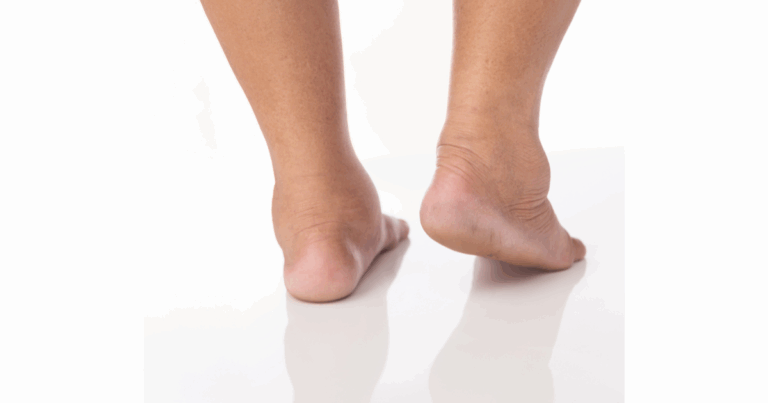
This is the most reliable diagnostic clue. Lipedema typically stops at the ankles: your feet and toes remain normal size while legs are disproportionately enlarged. It can alternatively present with enlargement starting at the knee going upward and occasionally involve the hips and even arms.
How Lipedema Feels: Nodules, Sensitivity, and Texture
Areas affected by lipedema feel notably different from typical swelling. The fatty tissue usually contains a few scattered palpable ‘grape-like’ nodules. Additionally, many patients describe unusual sensitivity or discomfort with light pressure.
The Symmetry Pattern: How Lipedema Differs from Lymphedema Visually
Lipedema usually affects both legs equally, creating a symmetrical appearance that contrasts with lymphedema, which can be unilateral or asymmetrical.
What Makes Lipedema Different: Inheritance, Connective Tissue, and Fluid Buildup
How Lipedema Is Inherited
Lipedema usually affects all the females within a family, with some variability in severity and distribution. Lymphedema, in contrast, is usually acquired, although it can be congenital.
Why Connective Tissue Weakness Drives Lipedema Progression
The vein walls tend to stretch out quicker with lipedema; resulting in increased fluid buildup in the tissues. This extra fluid stresses the lymphatic system, which also stretches out more quickly, adding to even more fluid buildup.
How Fluid Buildup Creates the Lipedema Cycle
The increased fluid buildup also contributes to the increase in both the size and number of fat cells in the affected area, which behave differently than with other conditions.
Why the Wrong Treatment Wastes Time and Makes Both Conditions Worse
The stakes for accurate diagnosis extend far beyond medical curiosity. These conditions require fundamentally different treatment approaches. Compression therapy that helps lymphedema patients may provide minimal benefit for lipedema sufferers. Surgical interventions effective for lipedema won’t address lymphatic dysfunction.
Most importantly, misdiagnosis wastes precious time. Both conditions are progressive, meaning early, appropriate intervention provides the best long-term outcomes. Months or years of wrong treatments allow symptoms to advance unnecessarily.
Lipedema vs. Lymphedema: Side-by-Side Comparison
| Feature | Lipedema | Lymphedema |
| Cause | Inherited connective tissue disorder | Damaged or blocked lymphatic drainage |
| Who it Affects | Almost exclusively women | Men and women |
| Feet affected? | No — feet stay normal size | Yes — feet and toes typically swell |
| Onset | Gradual, often at puberty or hormonal changes | Often after a trigger (surgery, cancer treatment, infection) |
| Pattern | Symmetrical, both legs | Often one leg or asymmetrical |
| Responds to Compression | Minimally | Yes, primary treatment |
| Respond to Diet & Exercise | Does not reduce affected fat | |
| Common Misdiagnosis | Obesity, water retention | Water retention, post-surgical swelling |
Why You Need a Lymphatic Specialist, Not a General Practitioner
Dr. Joshua Trock, DPT, RVT, CLT-LANA, leads our lymphatic care team with over a decade of specialized experience. His expertise in lymphatic disease has made him a nationally recognized speaker and subject matter expert. Medical Vein Clinic’s affiliation with the National Lymphedema Network reflects our commitment to specialized care that general practitioners simply cannot provide.
When you work with specialists who diagnose these conditions regularly, you receive accurate assessment from the first visit, targeted treatment plans that actually work, and access to advanced techniques unavailable at general medical practices.
What to Do If You Think You Have Lipedema or Lymphedema
Understanding these key differences empowers you to seek appropriate care and advocate for accurate diagnosis.
Document Your Symptoms
Note whether foot swelling accompanies leg symptoms—this single observation often determines the correct diagnosis. Pay attention to symptom patterns: Does swelling worsen with activity, heat, or certain positions?
Notice Sensitivity and Texture Differences
Notice if affected areas feel unusually tender or different from typical swelling you’ve experienced.
Review Your Medical History for Triggers
Did symptoms begin after surgery, cancer treatment, or injury? Or did they develop gradually without clear triggers?
Seek a Specialist Who Diagnoses These Conditions Regularly
Choose practitioners who regularly diagnose and treat lymphatic disorders rather than hoping general providers will recognize these specialized conditions.
Getting Evaluated at Medical Vein Clinic San Antonio
If you’re experiencing unexplained leg swelling or suspect previous misdiagnosis, seeking evaluation from lymphatic specialists could finally provide the clarity you’ve been seeking. The differences outlined here represent just the foundation of comprehensive assessment—proper diagnosis requires hands-on examination by experienced professionals who understand these conditions’ subtle but crucial distinctions. Both lipedema and lymphedema respond well to appropriate treatment when correctly identified. The key is ensuring you know exactly what you’re managing before investing time and energy in treatment approaches.
Most insurance plans, including Medicare, cover medically necessary lymphedema evaluation and treatment when properly documented. Lipedema coverage varies by plan. Medical Vein Clinic verifies your coverage before your appointment. Don’t let diagnostic confusion steal months or years of comfort and confidence. The path to effective management starts with getting the right answers about what’s actually happening with your legs.
Healthy Legs Take You Further™
Schedule Your Lipedema or Lymphedema Evaluation in San Antonio
If you have been told you have water retention, obesity, or cannot get a clear diagnosis for your leg swelling, Medical Vein Clinic can help. Call 210-622-8000 or book online at medicalveinclinic.com/book-an-appointment. We have two San Antonio locations: Stone Oak at 18831 Meisner Drive and Northwest San Antonio at 5742 W. Loop 1604 N.
Watch: Lipedema vs. Lymphedema — Medical Vein Clinic Explains the Difference
In this video, Medical Vein Clinic specialists explain how to tell the difference between lipedema and lymphedema and what treatment options are available in San Antonio.
Frequently Asked Questions
What is the difference between lipedema and lymphedema?
Lipedema is an abnormal buildup of fat, usually in the legs, hips, and buttocks, that is often symmetrical and tender to the touch. Lymphedema is a buildup of lymphatic fluid caused by a damaged or overwhelmed lymphatic system, leading to swelling that often starts in one limb. The simplest distinction is fat versus fluid, though the two can overlap and require an experienced specialist to tell apart.
How do I know if I have lipedema or lymphedema?
Lipedema tends to be symmetrical, spares the feet, and feels tender or bruises easily, while lymphedema swelling often involves the foot and may leave a temporary indentation when pressed. Both can look like ordinary weight gain or general swelling, which is why they are frequently missed. A specialist evaluation, including diagnostic vascular ultrasound, is the reliable way to know which condition you have.We ship all of our orders from the Netherlands, where our warehouse is based.
Can you have both lipedema and lymphedema at the same time?
Yes. Long-standing lipedema can overload the lymphatic system over time and lead to a combined condition sometimes called lipo-lymphedema. When both are present, treatment has to address the fat component and the fluid component together. This is one reason an accurate diagnosis from a specialist matters before starting any treatment plan.
Is lipedema the same as obesity?
No. Lipedema is a distinct medical condition involving abnormal fat distribution, and it does not respond to diet and exercise the way ordinary weight gain does. People with lipedema often lose weight in the upper body while the affected areas stay the same. It is frequently misdiagnosed as obesity, which delays proper care.
Does lipedema get worse over time?
Lipedema is progressive and tends to advance through stages if left untreated, with increasing fat buildup, tenderness, and eventually strain on the lymphatic system. Early diagnosis and management help slow that progression and protect mobility. Treatment focuses on managing symptoms and preventing the condition from worsening
Can lymphedema be cured?
There is no cure for lymphedema, but it is very manageable with the right care. Treatment focuses on reducing swelling, preventing infection, and maintaining function, often through compression therapy, manual lymphatic drainage, and skin care. With consistent management, most patients keep their symptoms well controlled and protect their quality of life.
What type of doctor diagnoses lipedema and lymphedema?
hese conditions are best diagnosed and treated by a specialist trained in lymphatic and vascular care. At Medical Vein Clinic, care is led by Dr. Joshua Trock,a Doctor of Physical Therapy and Registered Vascular Technologist with national LANA certification in lymphedema therapy. He combines diagnostic vascular ultrasound with advanced lymphatic therapy, an approach few clinics in San Antonio offer.
Does insurance cover lipedema and lymphedema treatment?
Coverage varies by plan, but many insurers cover diagnosis and treatment when the condition is medically documented. We verify your insurance before your appointment so you understand your benefits ahead of time. Call 210-622-8000 to confirm your coverage.
Is lipedema treated at Medical Vein Clinic in San Antonio?
Yes. We treat both lipedema and lymphedema at both San Antonio locations, and Medical Vein Clinic is affiliated with the National Lymphedema Network. Treatment is led by lymphedema specialist Dr. Joshua Trock and tailored to your specific condition. Call 210-622-8000 or book online to schedule an evaluation.